Restored to as-new condition
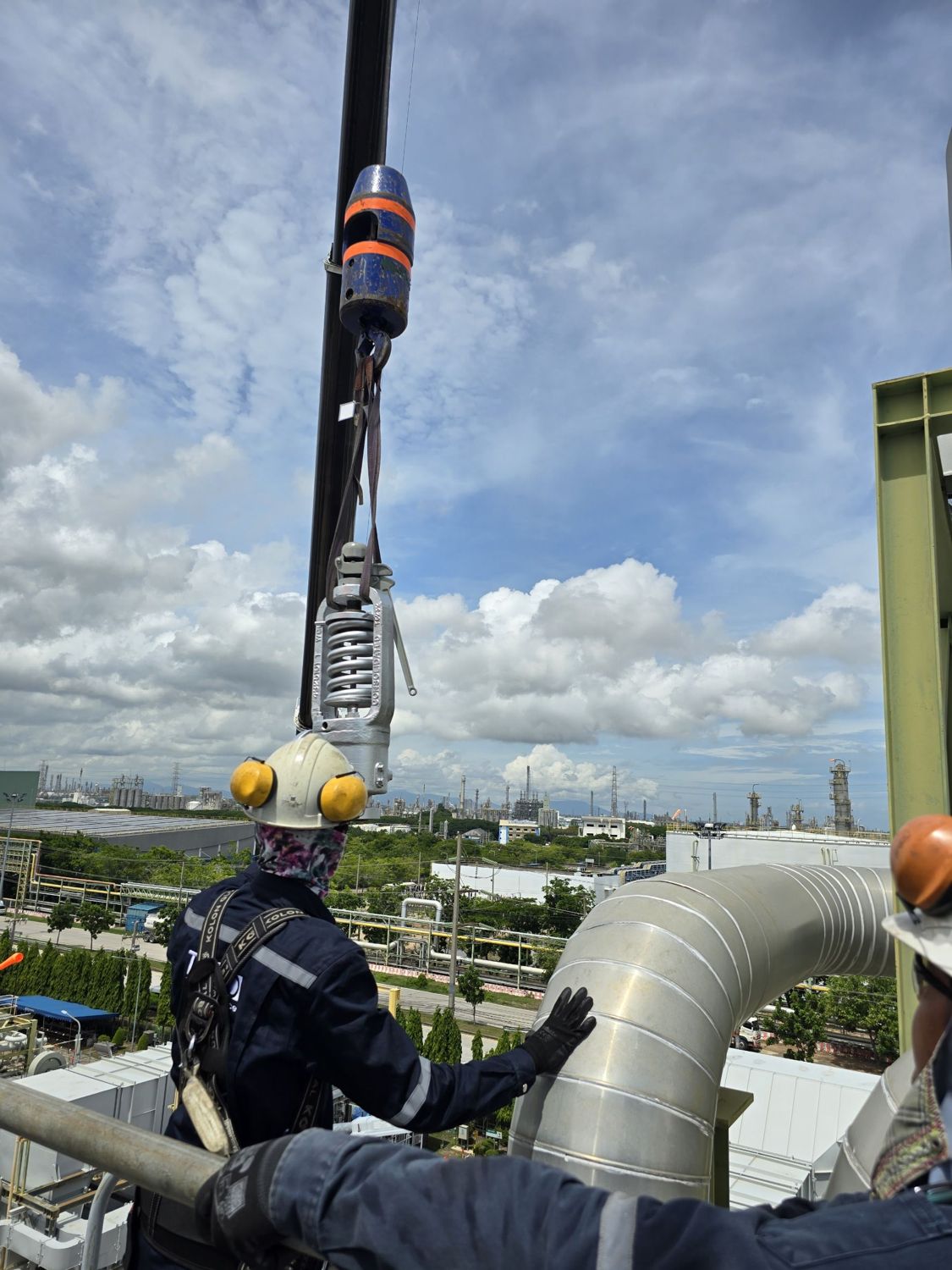
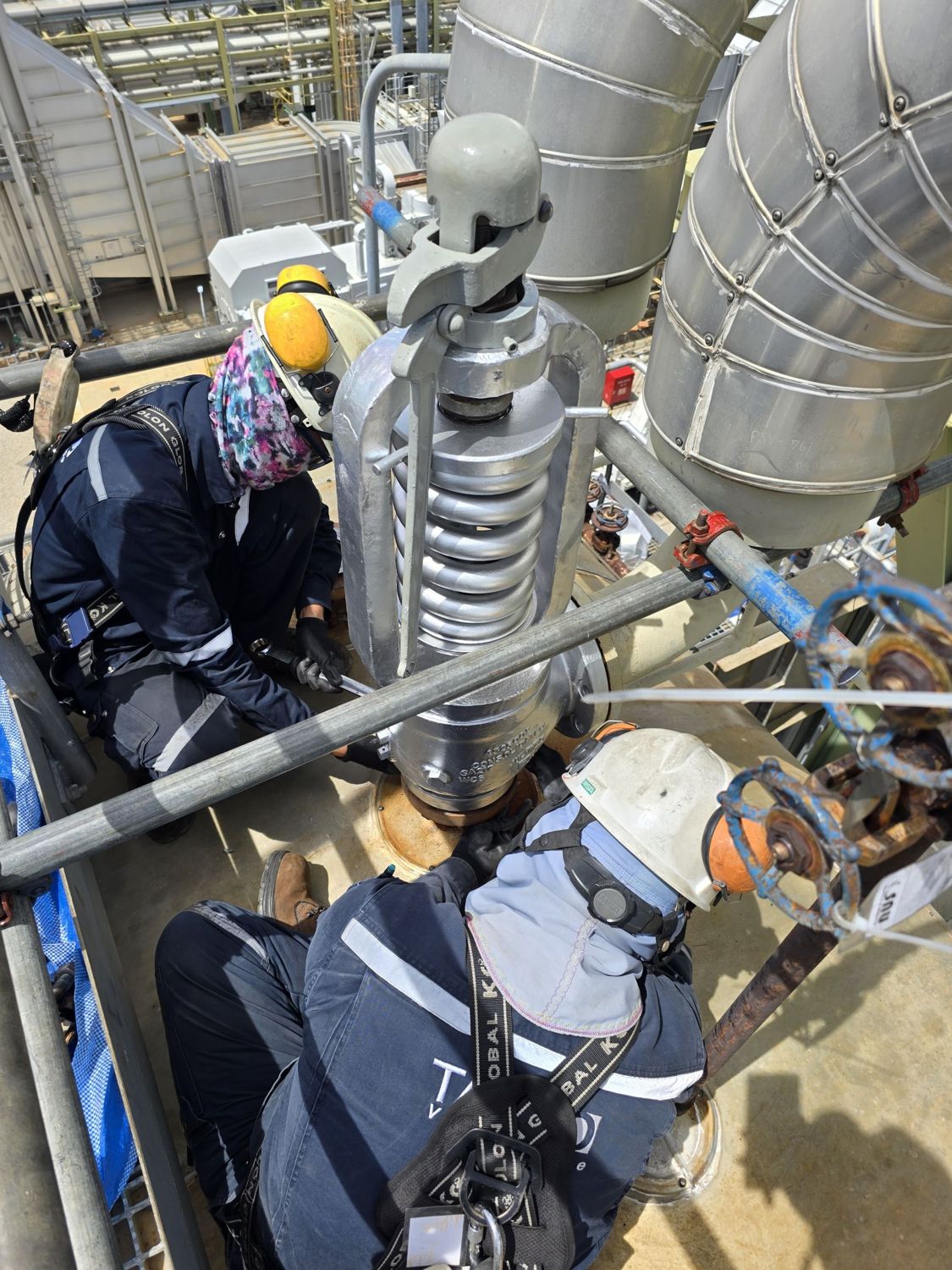
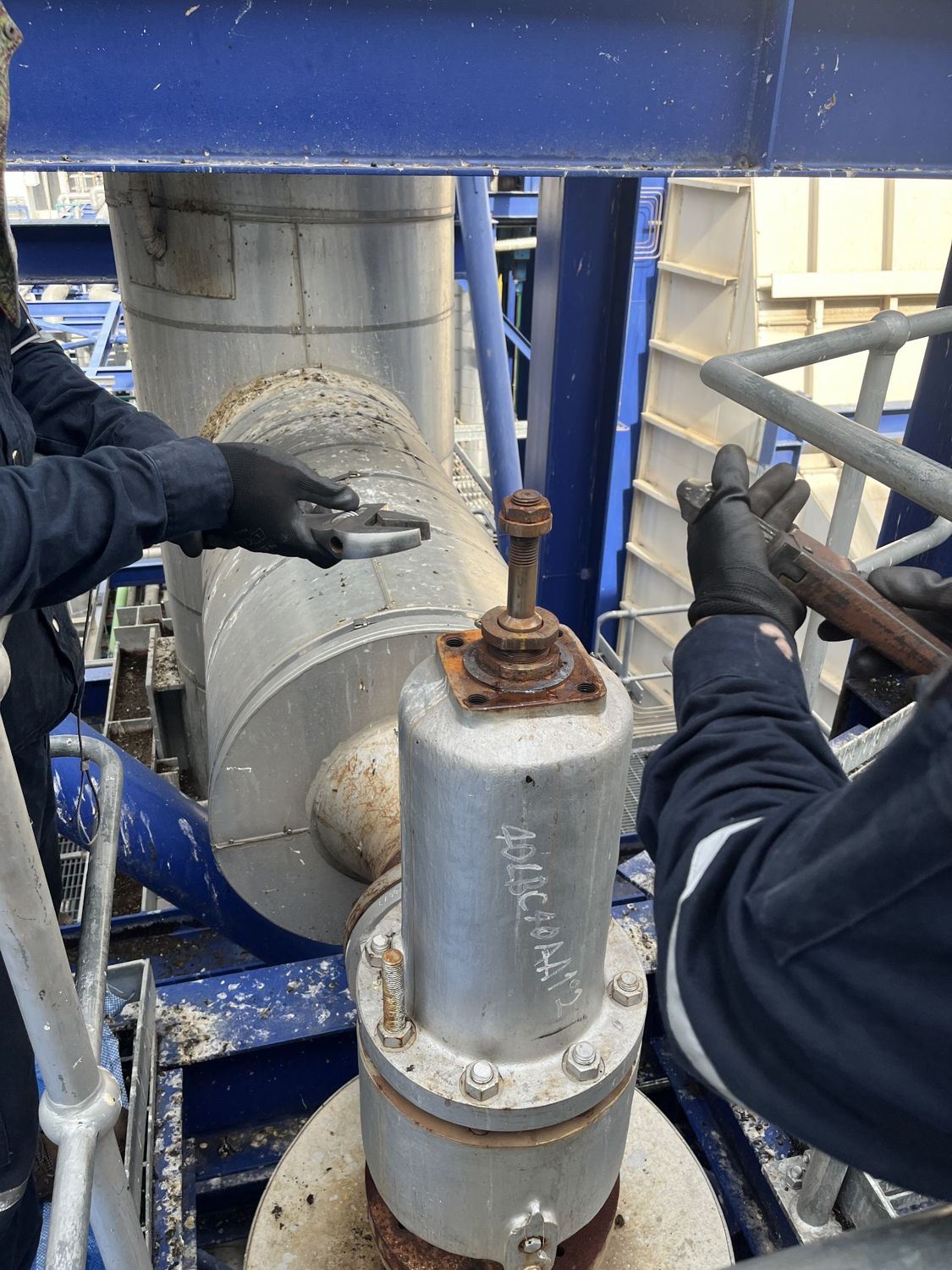
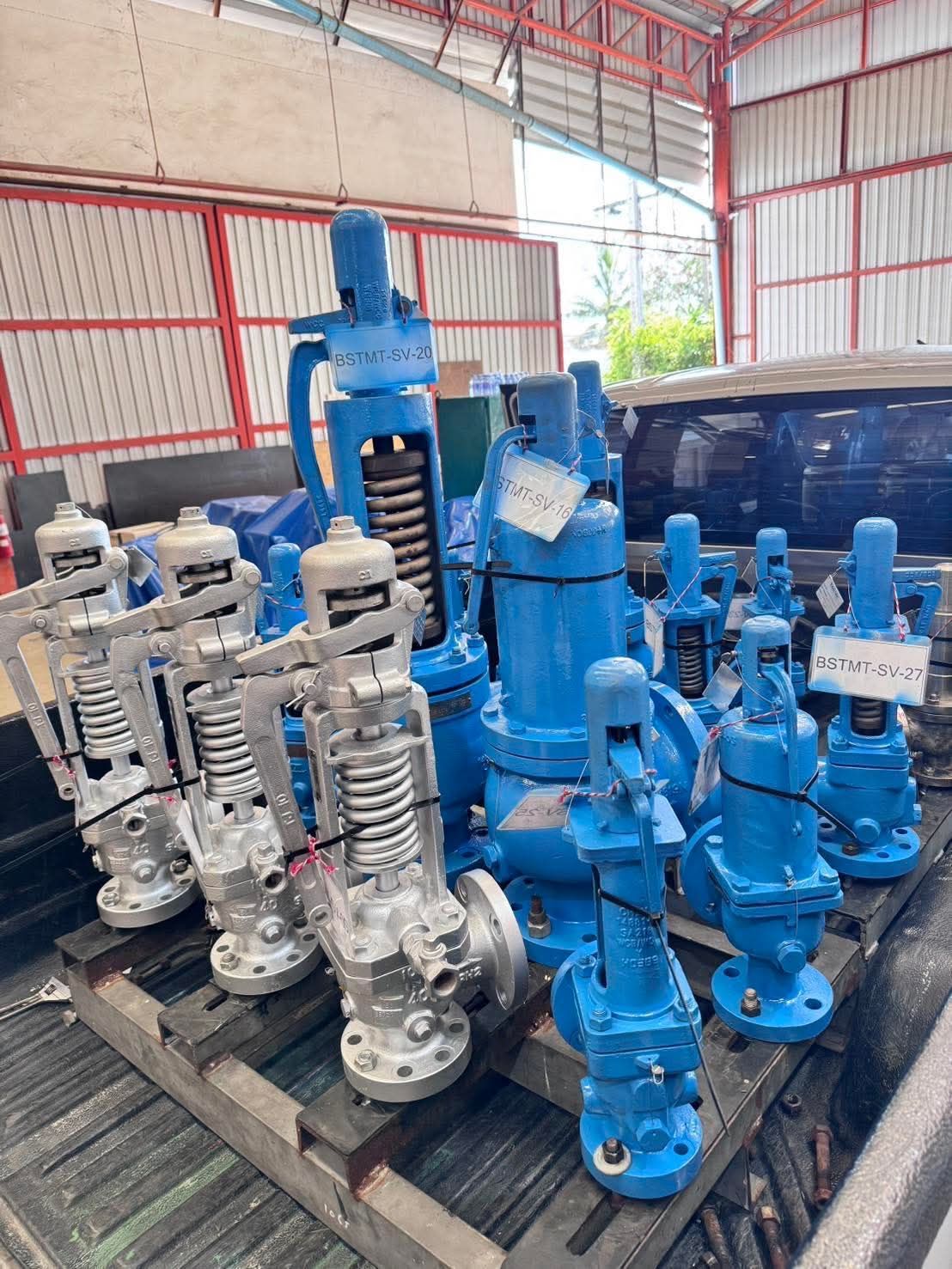
Every safety valve is pre-tested to record its as-found set pressure, then fully disassembled and inspected part by part. Sealing surfaces are lapped to a mirror finish, worn parts replaced, and the valve is reassembled, re-set and certified before it returns to service — in our workshop or on-site during a turnaround.
* All brands of PRV & PSV (Consolidated, Crosby, Leser and others), per ASME Code and API standards.
Certified overhaul capability
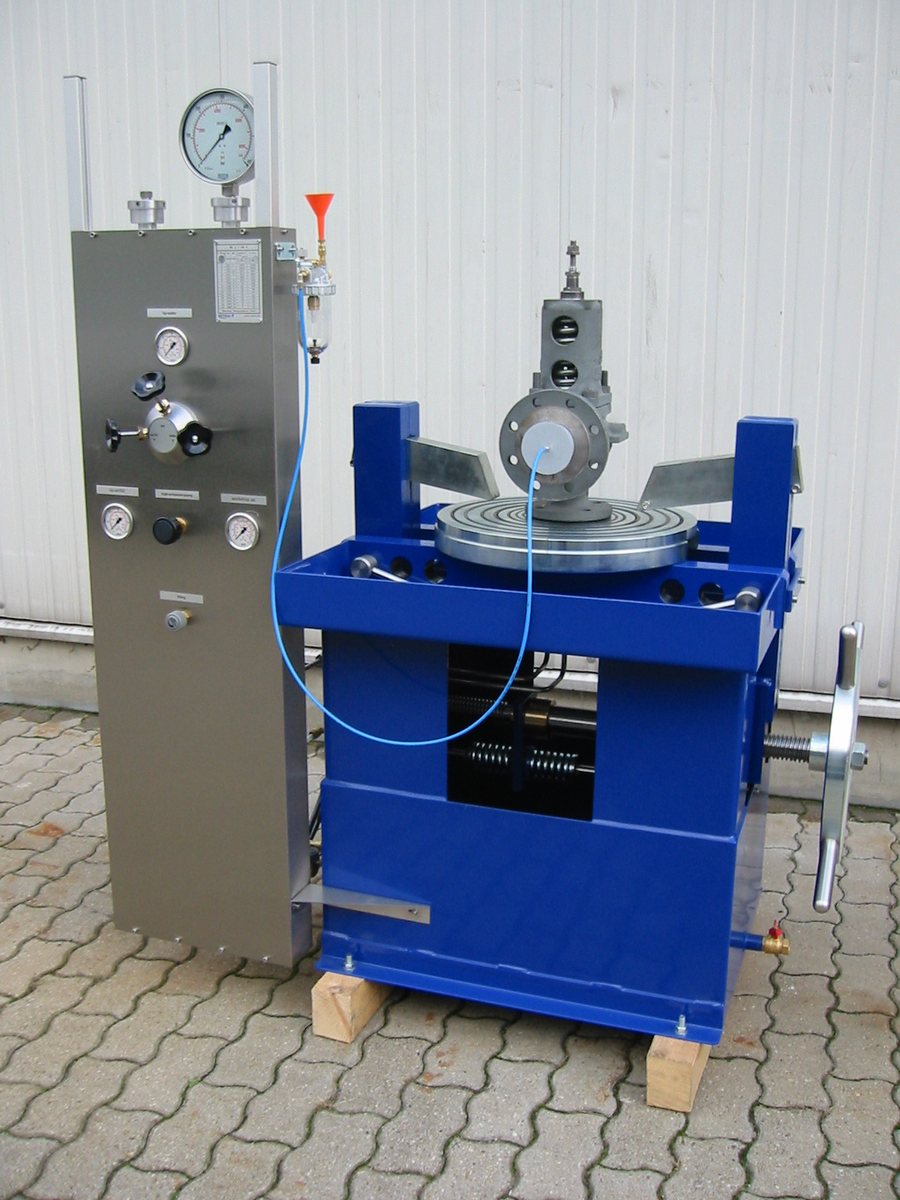
METRUS benches to 600 bar
German test benches certify set pressure with air / nitrogen to 300 bar and water to 600 bar, clamping ½" to 16".
Full set & seat leakage
Popping tested per ASME & API, then seat-tightness tested to API-527 — held at 90% of set pressure for one minute.
Witnessed & sealed
Testing is performed with customer witness; on completion every valve is stamped (RT/TT) and sealed with the TAEKO seal.
Overhaul procedure
Our controlled procedure follows the valve from receipt to sealing, with photo records taken before and after every repair step.
Pre-test & inspect
Record as-found set pressure with a pre-popping test, then a pre seat-leakage test to confirm the valve's original condition.
Dismantle & check parts
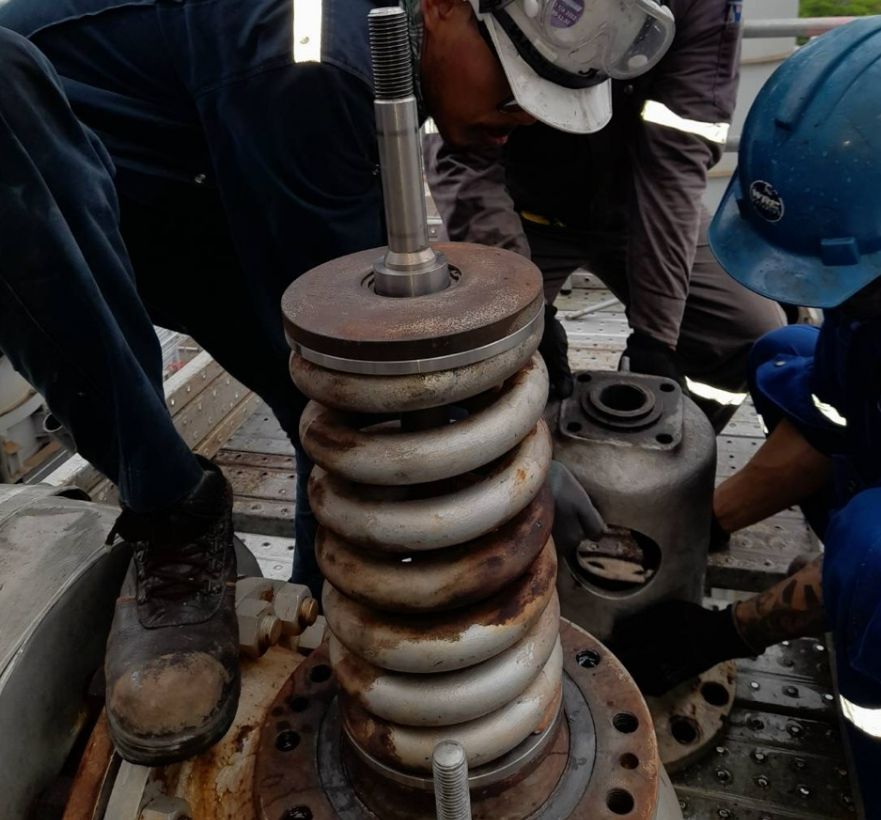
Disassemble and inspect nozzle, disc, spindle, disc holder, guide, springs and bellows for erosion, corrosion, wear and galling.
Clean & lap seat
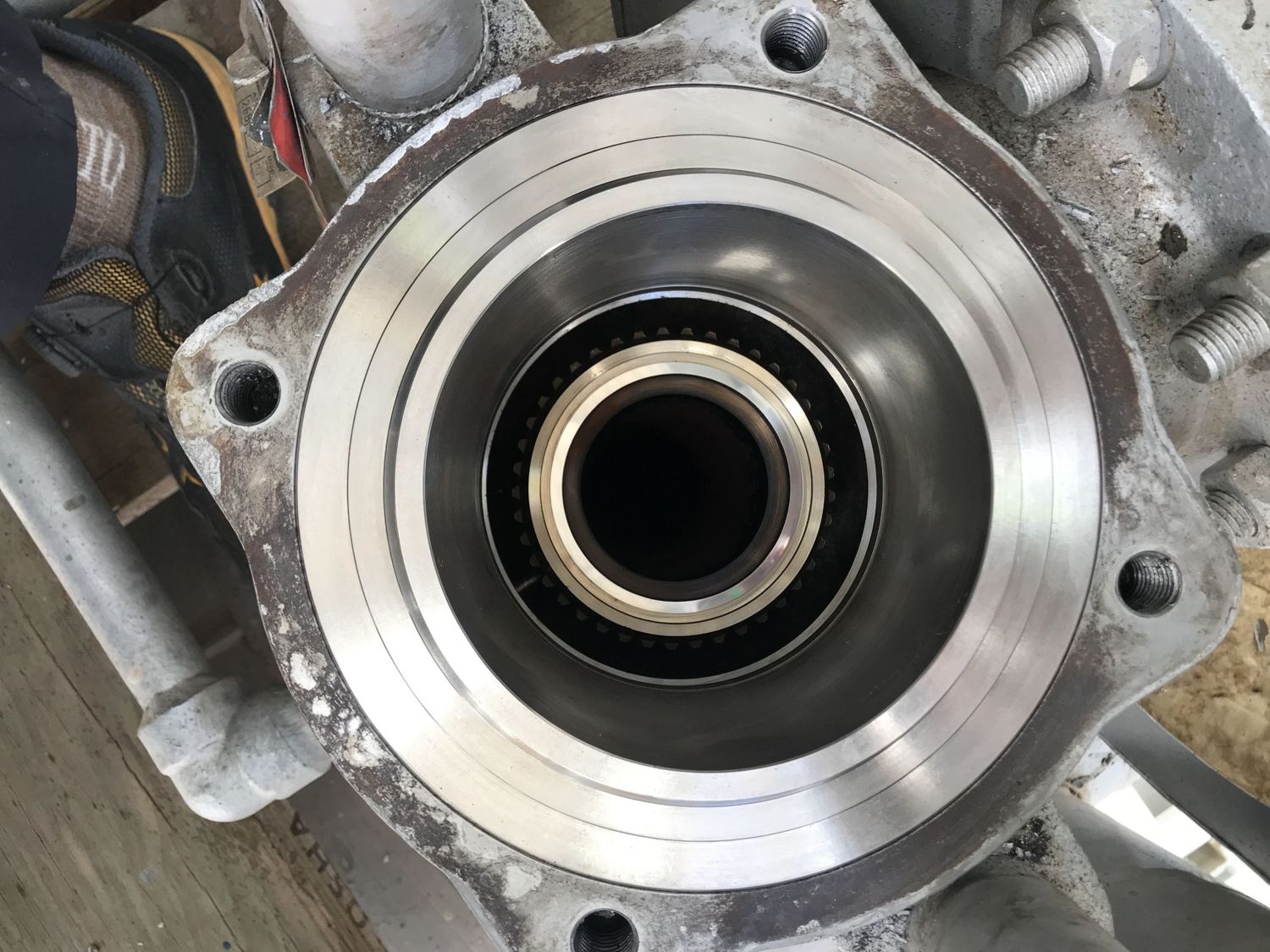
Clean all parts and lap the nozzle seat and disc to a mirror finish with VENTIL tools; before/after photos are recorded.
Assemble & set-test
Confirm the spring part number, reassemble, then run the set-pressure (popping) test to ASME & API with customer witness.
Seat leakage & final
Seat-tightness test to API-527, followed by touch-up painting and a final inspection against the customer specification.
Tag, seal & report
Install the repaired & test tag (RT/TT), apply the TAEKO seal, and issue the service report with the valve.
The right machine, a mirror finish
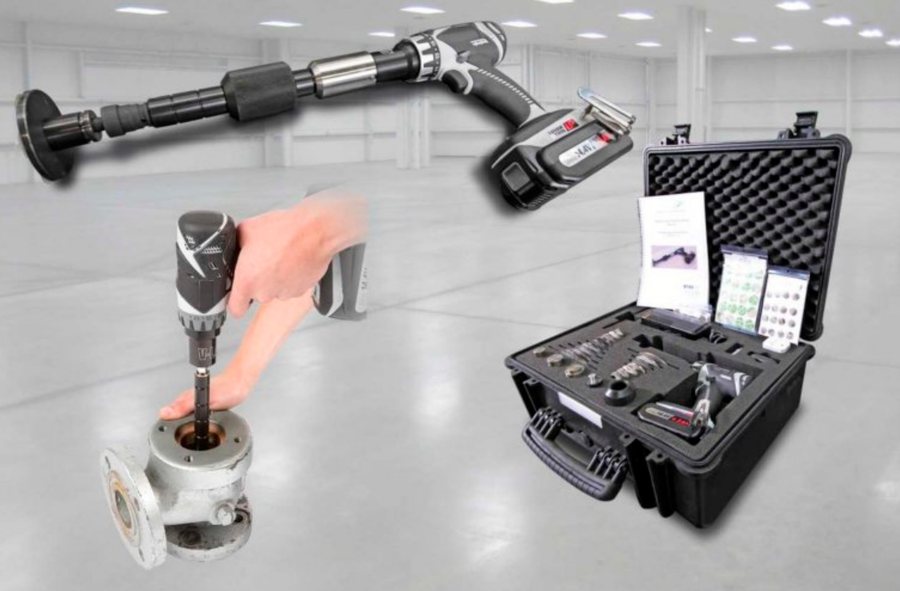
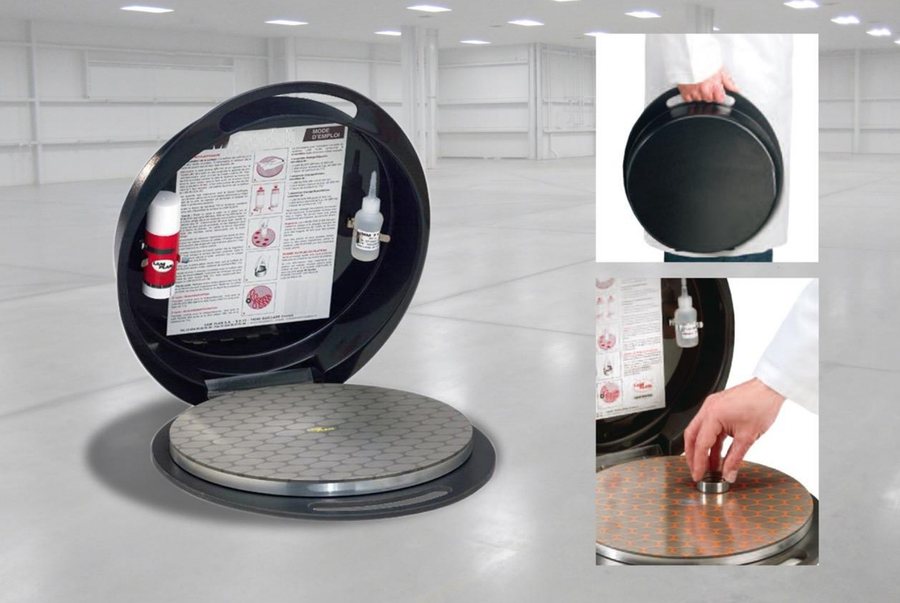
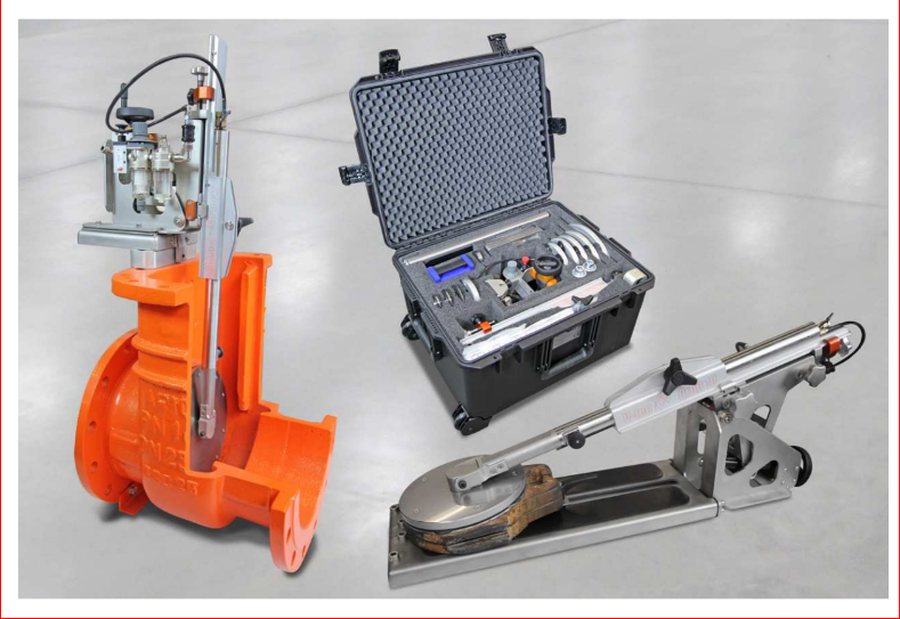
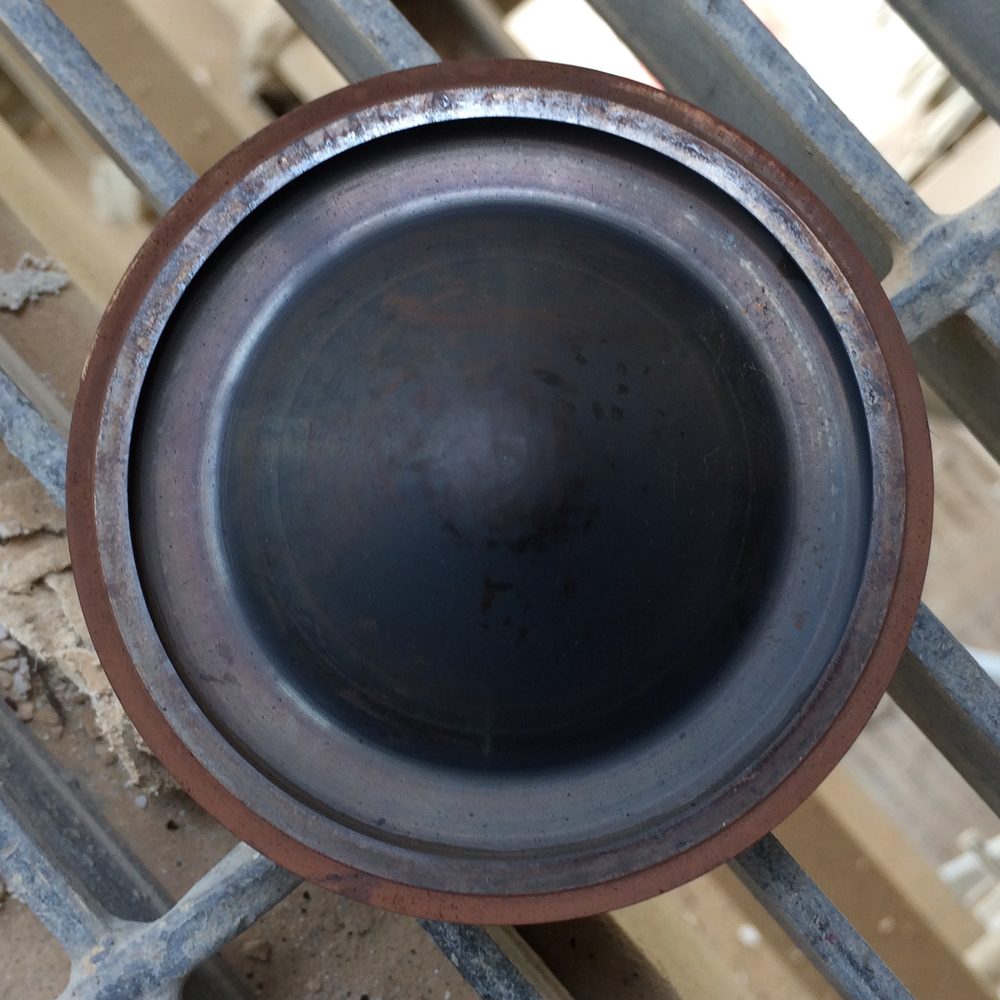
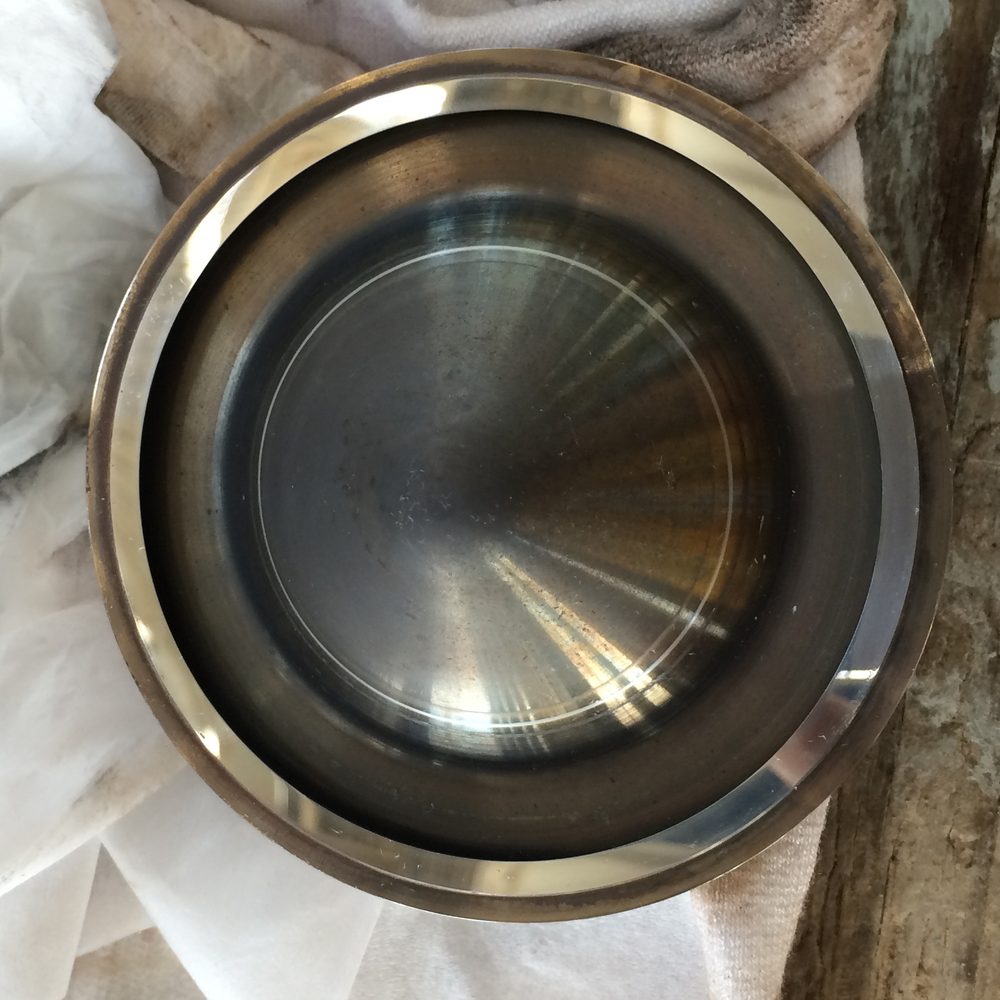
We match the lapping machine to the valve size — small-bore precision lapping through to large pneumatic lapping — covering the full ¼" to 24" range. The result: corroded, pitted seats restored to a flat, leak-tight mirror finish.
Results — before & after
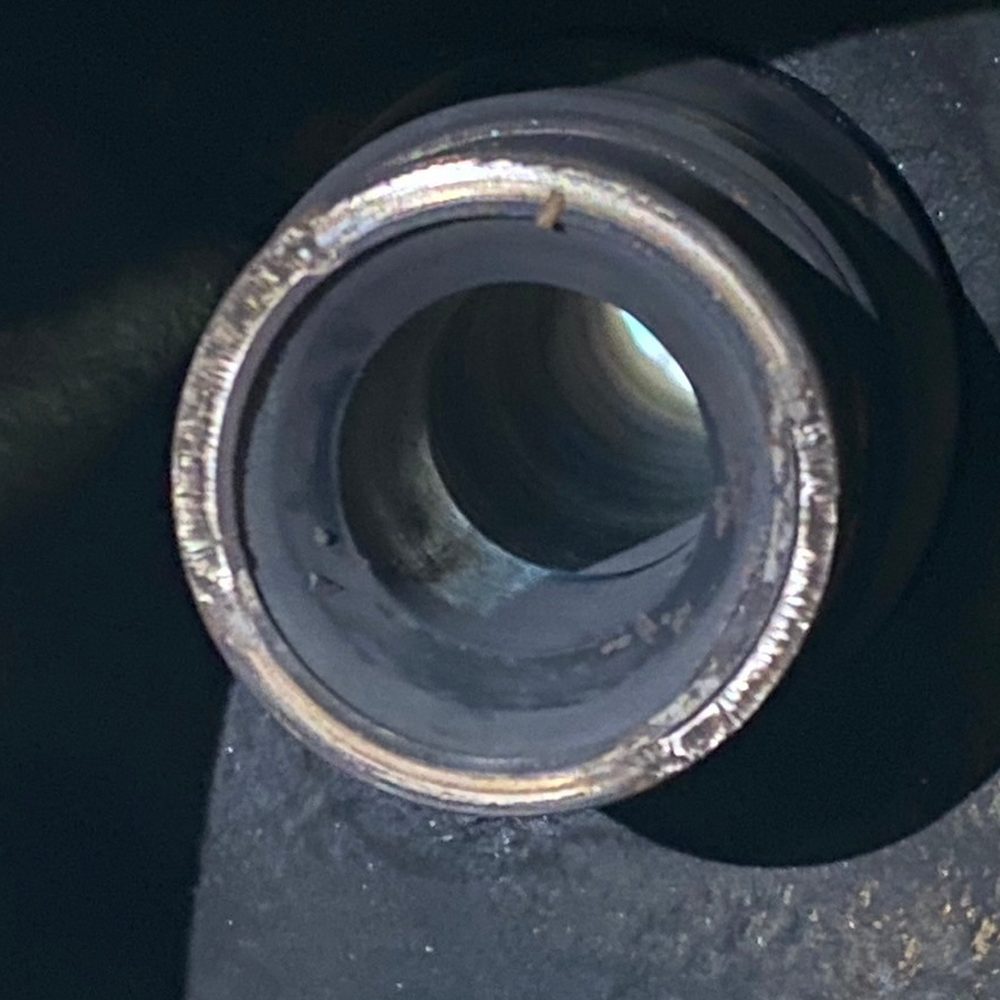
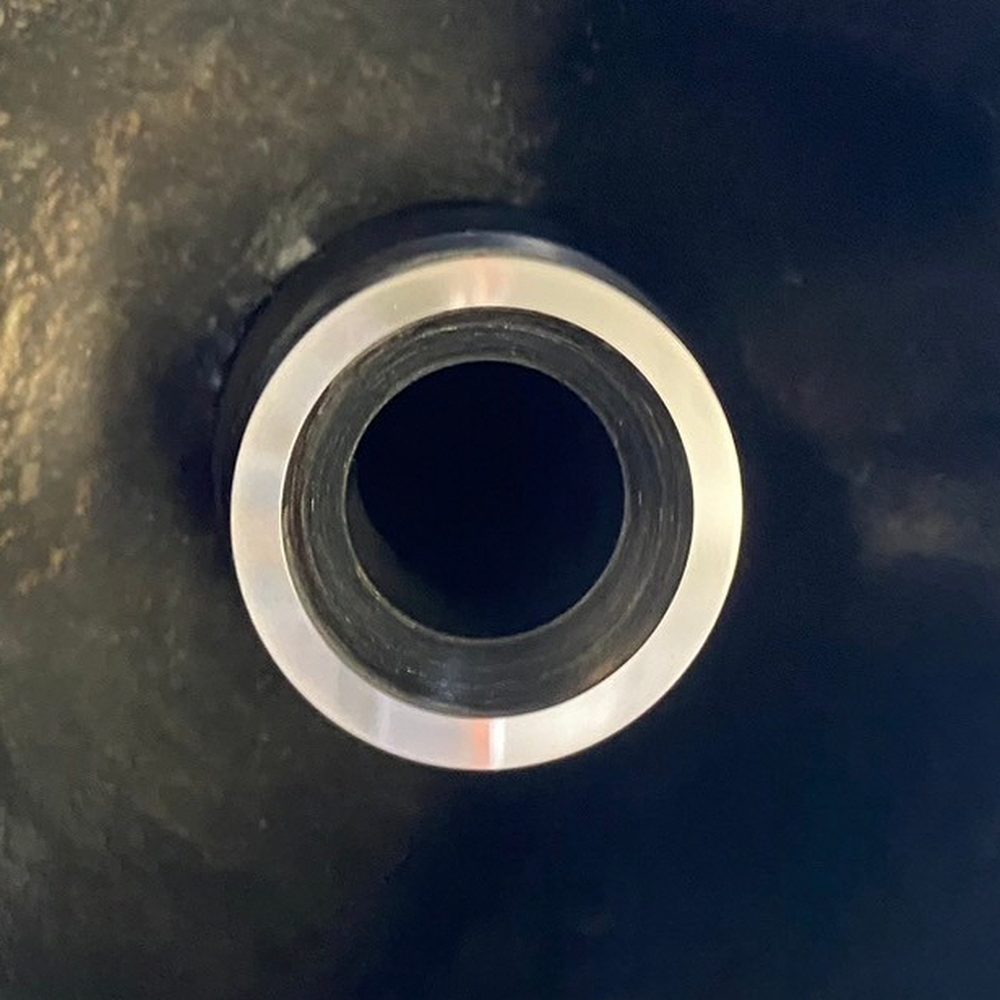
METRUS SVM 20/400
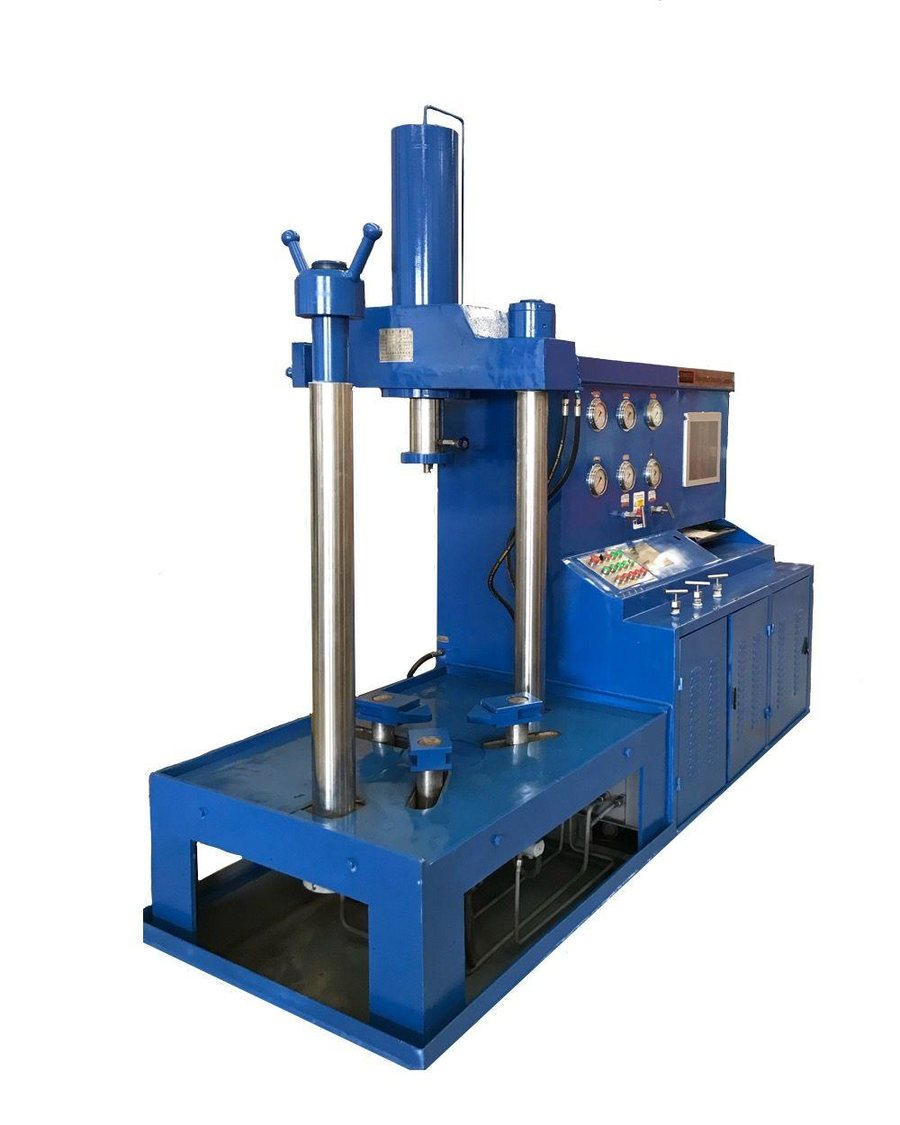
Lapping uses POLIR / FOCUS (¼"–6") and ORBIT 24 pneumatic (6"–24") tools.
Certified to ASME & API
Popping tests follow ASME and API procedures; seat tightness follows API-527, with the valve held at 90% of set pressure for one minute. Each valve is set within the POP tolerance of the ASME Boiler & Pressure Vessel Code.
Overhaul gallery