Small pressures, high stakes
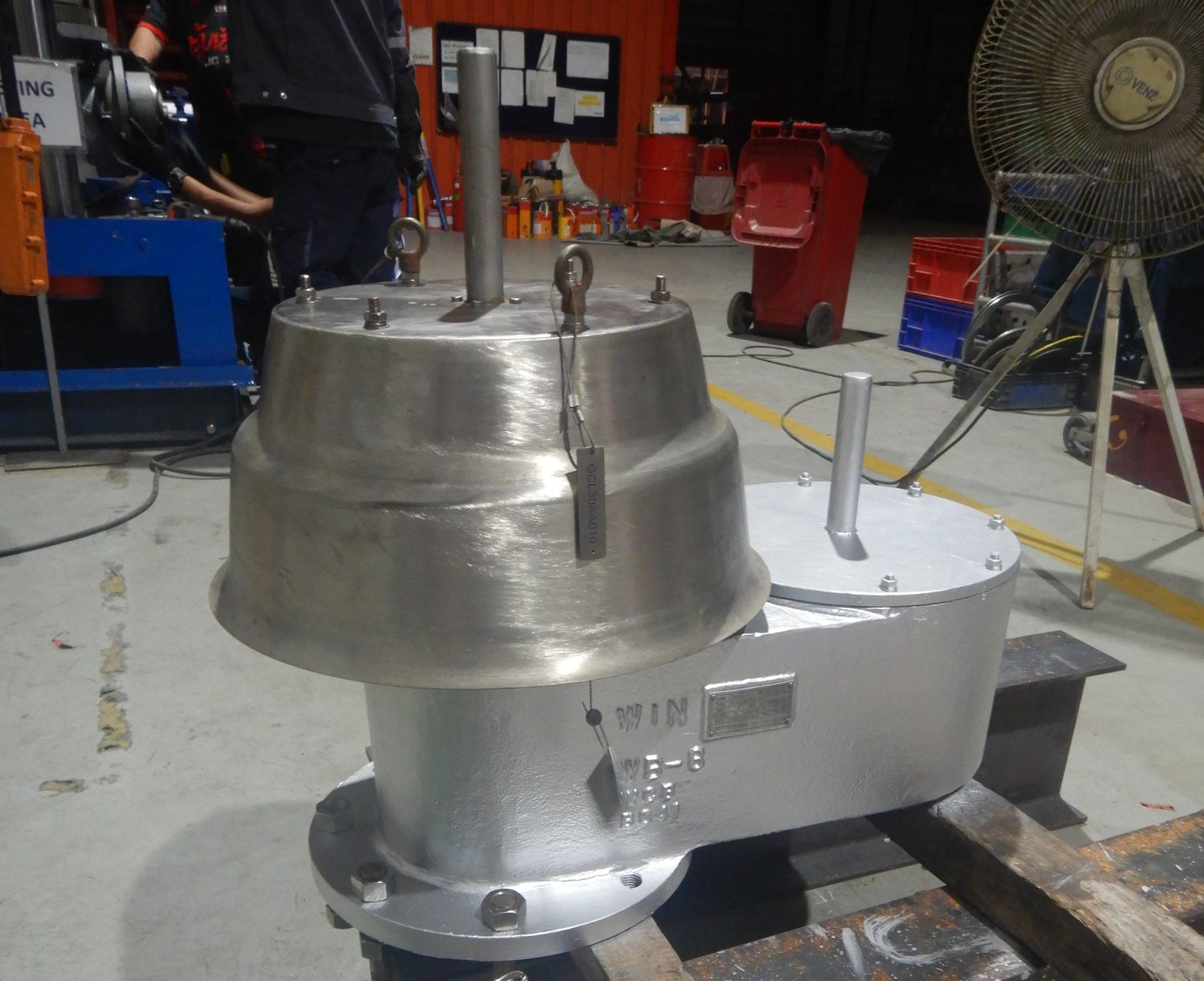
Breather and vacuum-relief valves keep storage tanks safe by relieving pressure and breaking vacuum at very low set points — where a fraction of a bar matters. We verify the pressure and vacuum settings against specification with high-resolution sensors, so the tank is protected without wasting product to the atmosphere.
* Pressure/vacuum relief valves, conservation vents and flame-arrestor combinations.
High-resolution capability
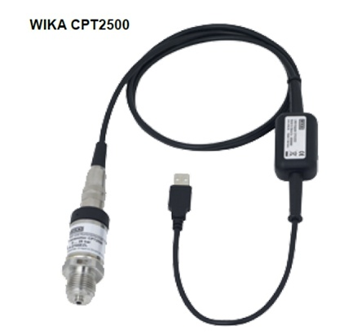
WIKA CPT 2500 sensors
Precision sensors resolve the very low pressures and vacuums of breather valves at 0.2% accuracy.
METRUS CRS analysis
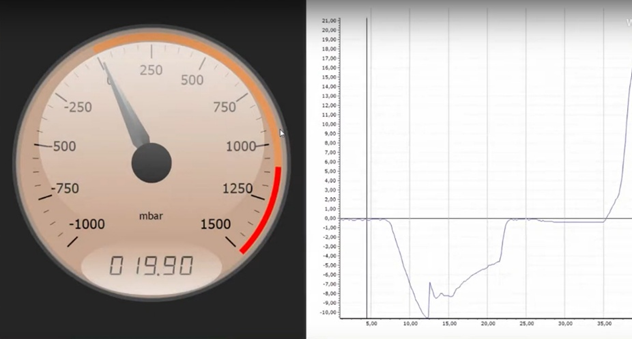
Real-time recording captures the opening pressure and vacuum curve for a clear, documented result.
On-site or workshop
Test in place during a turnaround, or in the workshop after overhaul — whichever suits the tank schedule.
From sensor to documented curve
Testing procedure
Connect
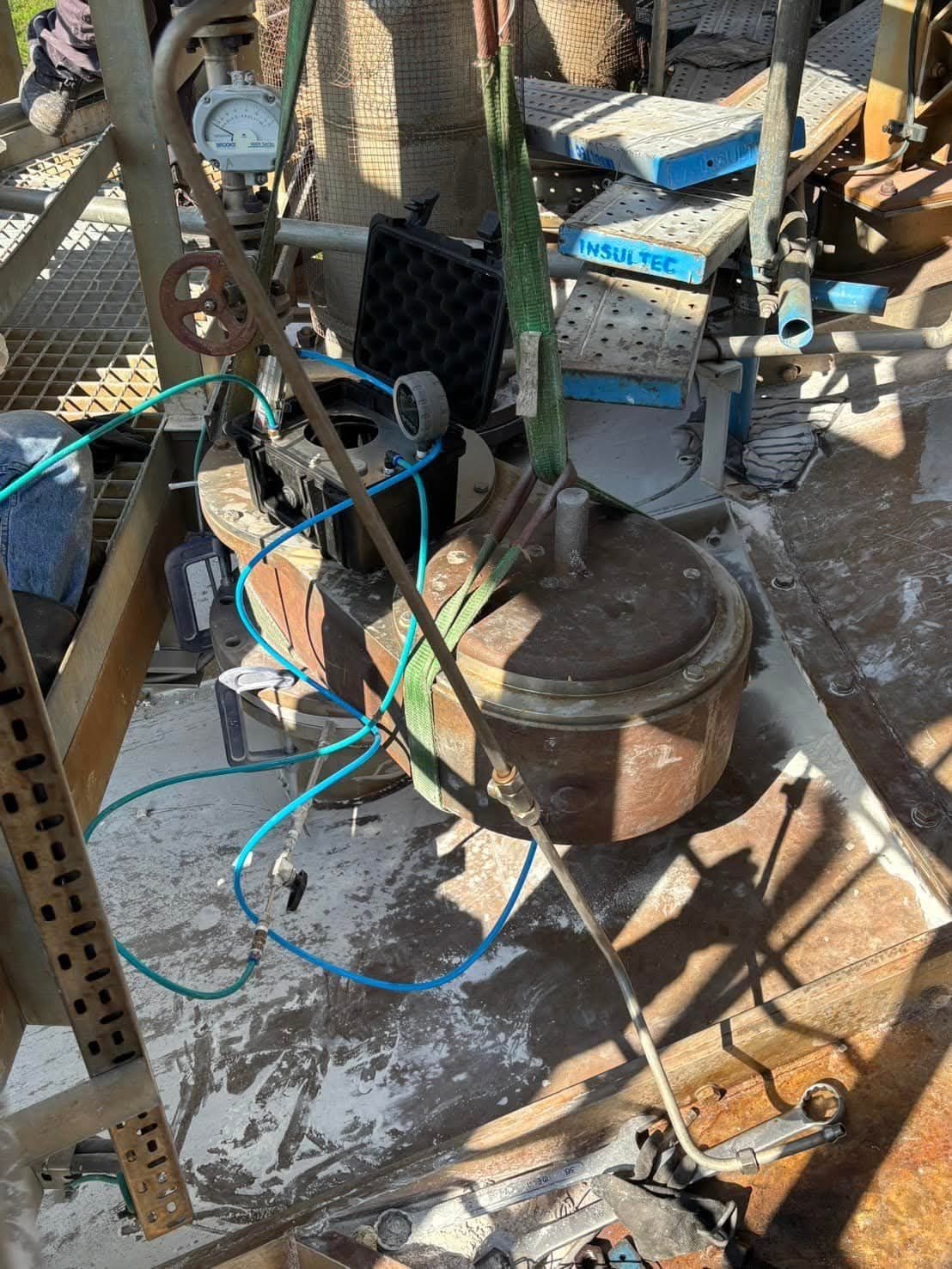
Remove the valve from the tank nozzle (or isolate at the changeover valve where fitted), then connect the low-pressure rig and WIKA CPT 2500 sensors.
Pressure test
Slowly raise pressure and record the exact set point at which the pressure pallet lifts.
Vacuum test
Apply vacuum and record the set point at which the vacuum pallet opens to break the vacuum.
Report
Compare results to specification, adjust if needed, and issue a documented test record per valve.
Sensor & range
| Sensor | WIKA CPT 2500 |
|---|---|
| Range | -1,000 to +1,500 mbar |
| Accuracy | 0.2% |
| Analysis | METRUS CRS real-time |
| Reference | Manufacturer spec & API 2000 |
Share the valve tag, set pressure and vacuum setting and we'll confirm the test scope.
A tank that breathes safely
Verified pressure and vacuum settings mean the tank is protected against over-pressure and collapse, while emissions and product loss from a mis-set valve are avoided.
Tested on the tank top
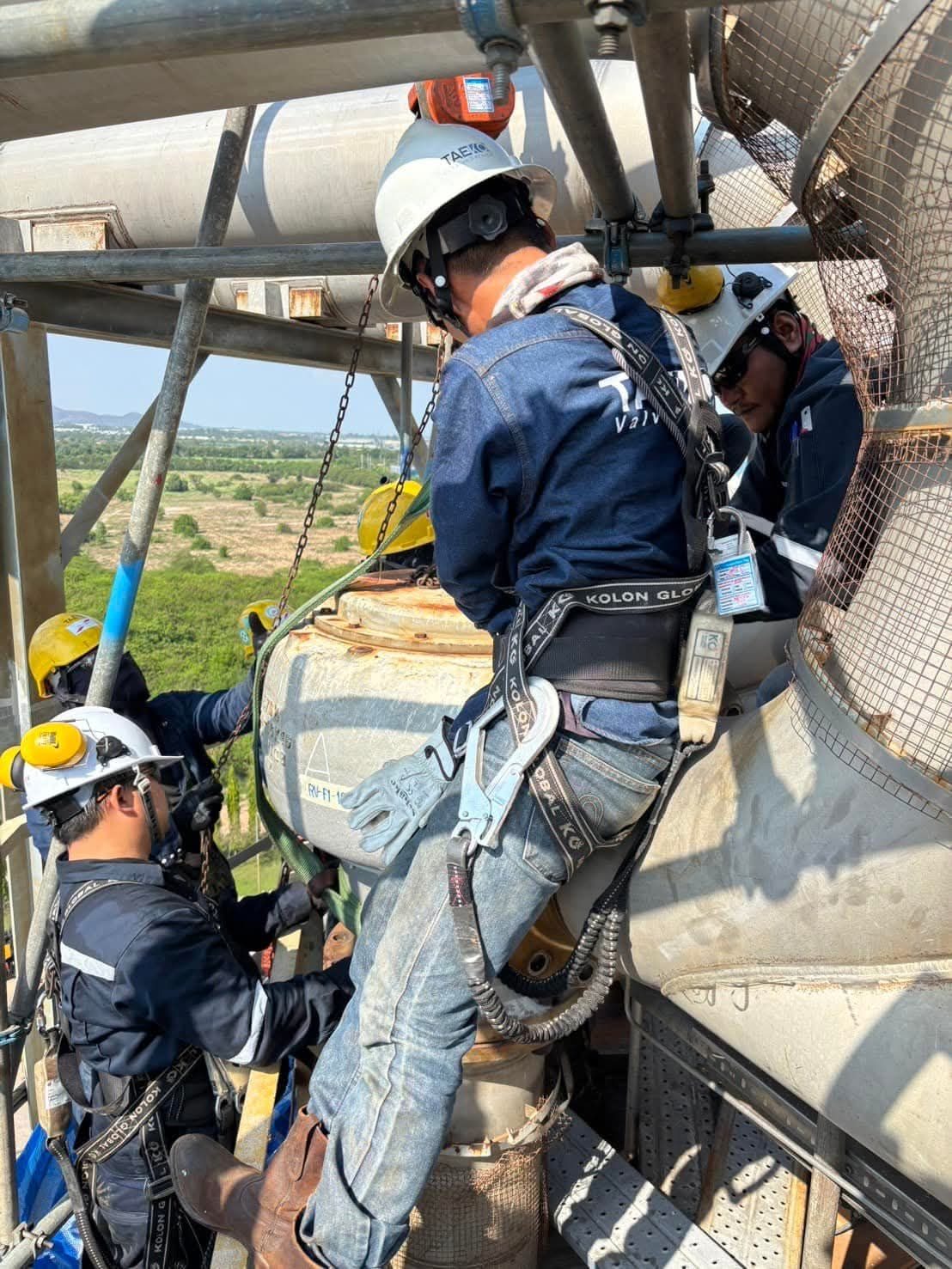
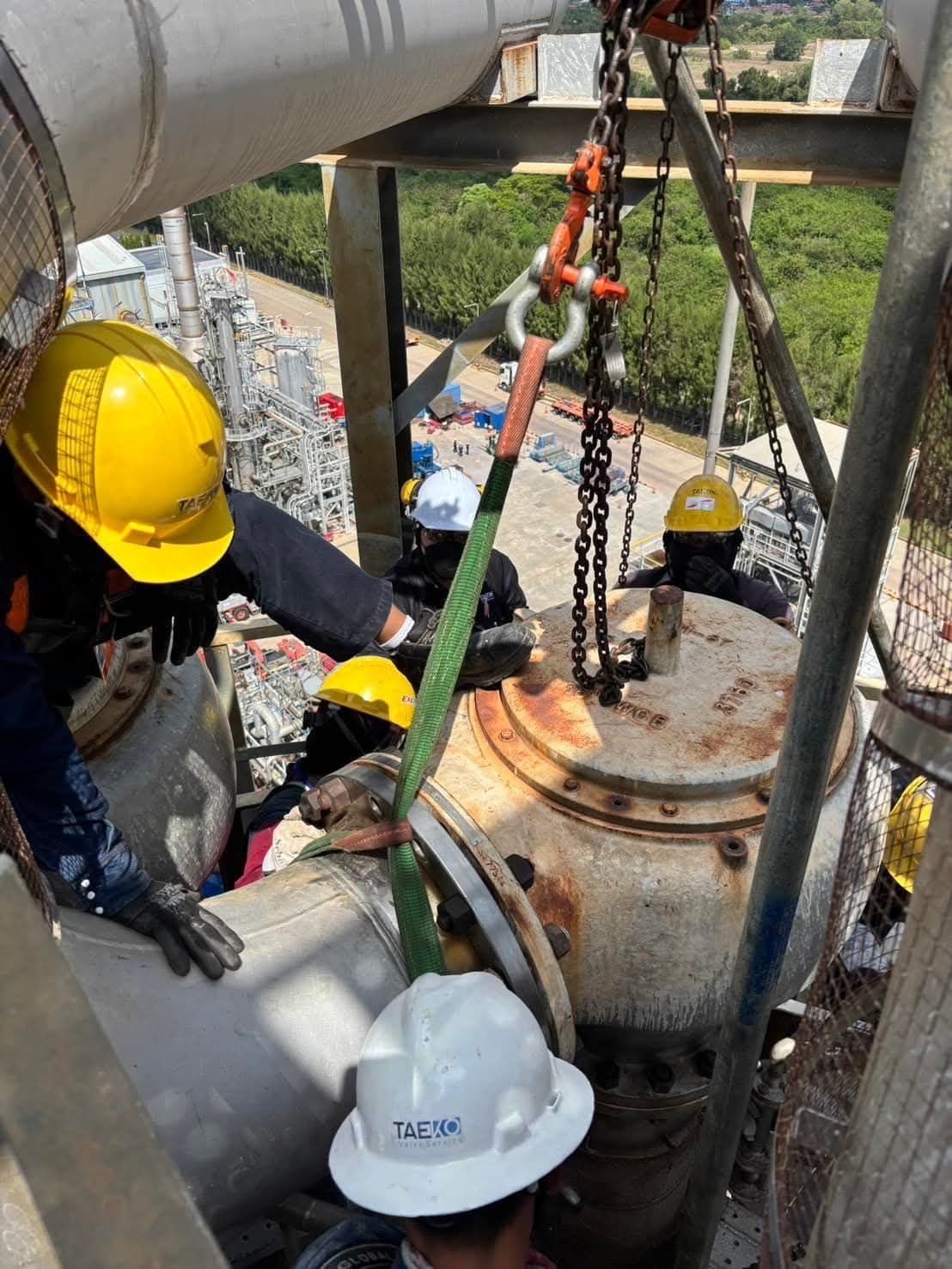
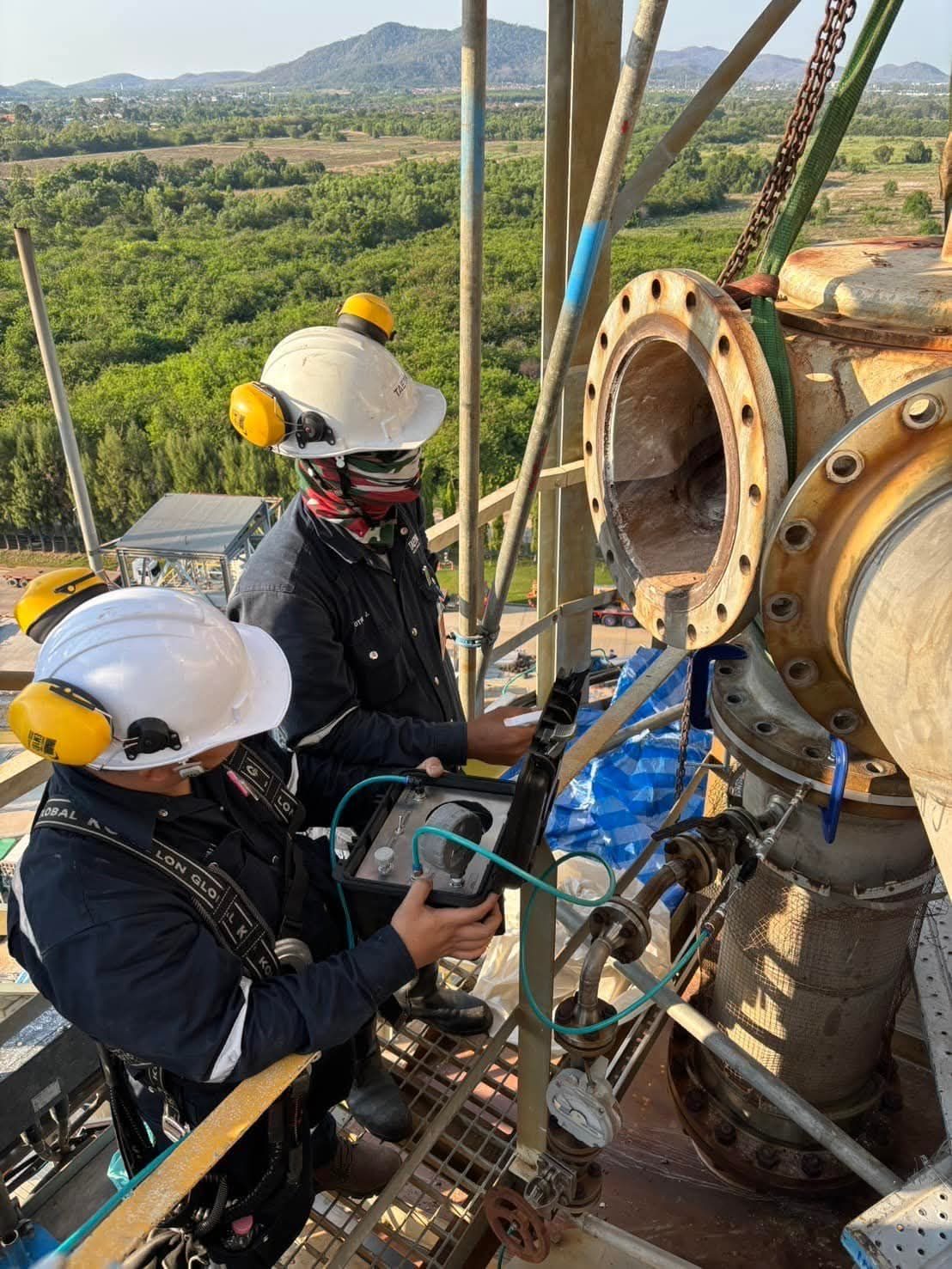
Our compact, purpose-built vacuum test unit and sealing plate travel up to the tank roof with the crew. The breather valve is removed, tested against its set points and reinstalled in a single visit — verified to the manufacturer's specification and API 2000 guidance before it goes back on the nozzle.
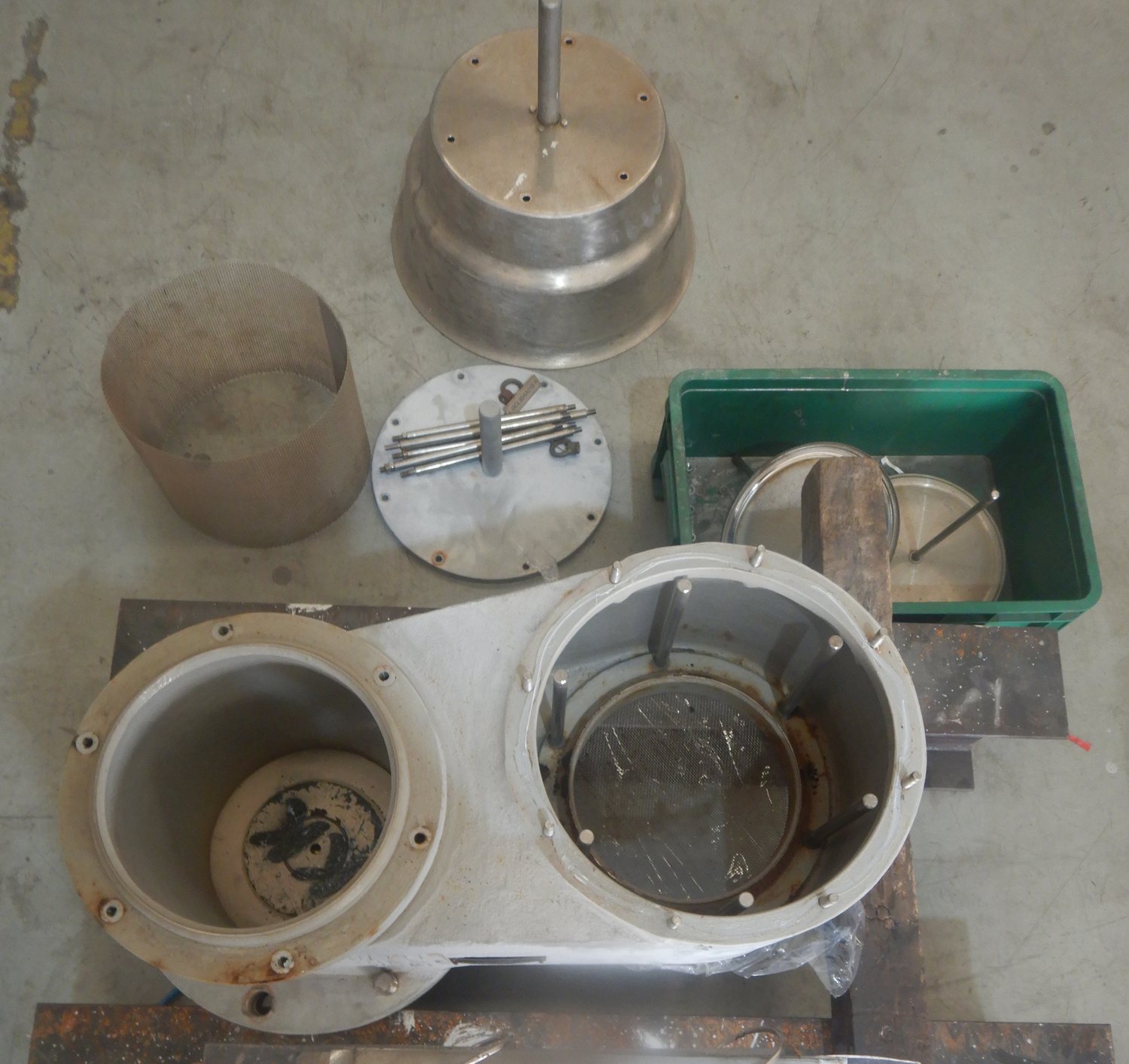
* Valves needing repair come back to the workshop for strip-down, parts renewal and a full re-test before return.
Breather valve gallery